



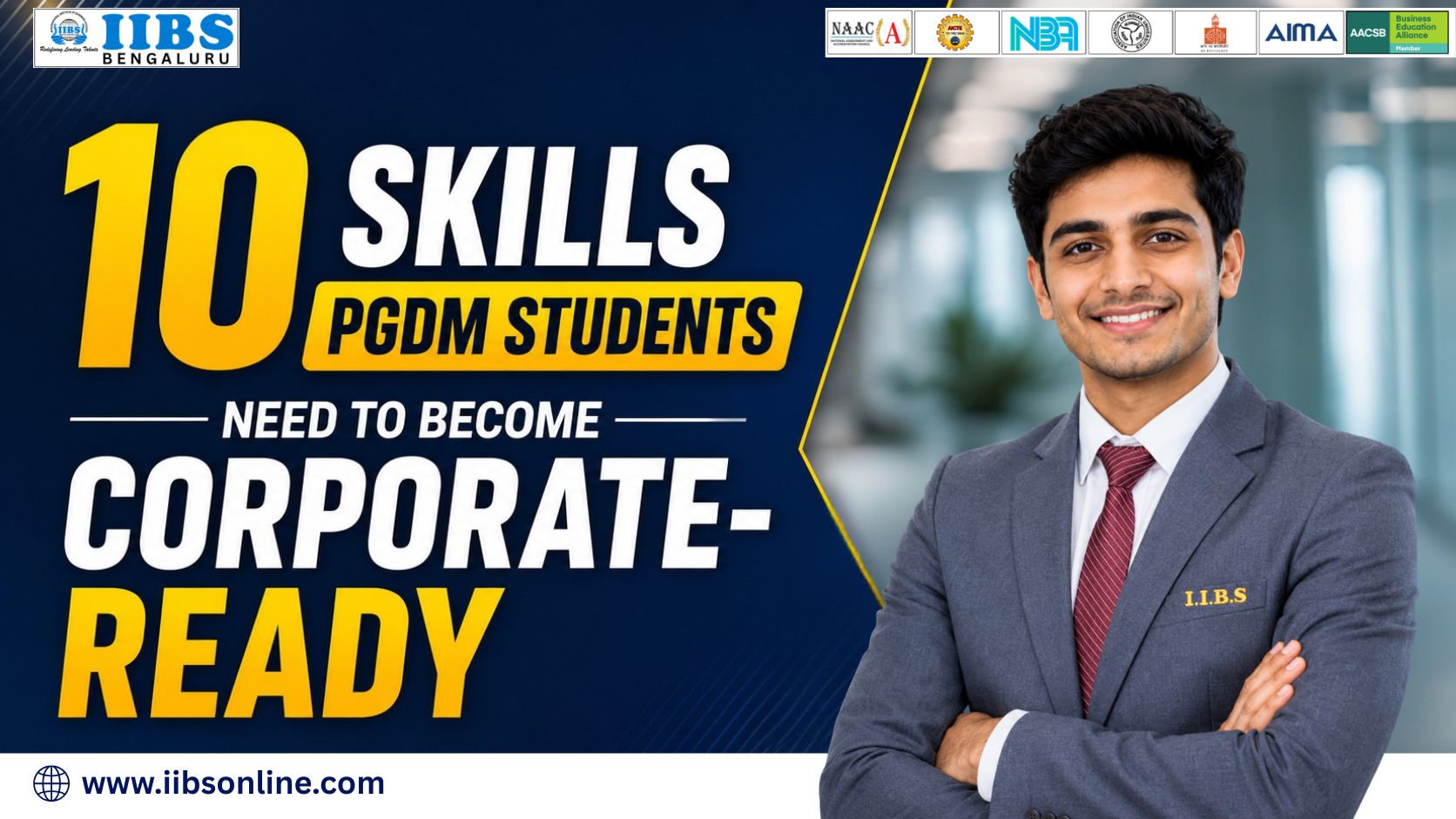
10 Skills PGDM Students Need to Become Corporate-Ready
The corporate world is evolving rapidly, and a management degree alone is no longer enough to guarantee career success. Companies today are looking for professionals who can think strategically, adapt quickly, solve complex problems, and contribute effectively from the beginning of their careers.
A PGDM (Post Graduate Diploma in Management) program helps students build a strong foundation in business concepts, leadership, and industry practices. However, to become truly corporate-ready, PGDM students must develop a combination of technical expertise, interpersonal abilities, and professional skills.
Whether a student is planning a career in marketing, finance, human resources, business analytics, operations, or entrepreneurship, mastering the right skills can create a significant advantage in today’s competitive job market.
1. Leadership and Decision-Making Skills
Leadership is one of the most important skills every PGDM student should develop. Modern organizations need professionals who can take responsibility, motivate teams, and make effective decisions under challenging situations.
A successful manager is not just someone who manages tasks but someone who inspires people, understands business goals, and drives results. PGDM students can develop leadership skills through group projects, case studies, presentations, internships, and industry interactions.
2. Communication and Presentation Skills
Strong communication skills are essential for success in the corporate environment. Managers are expected to communicate ideas clearly, negotiate effectively, present strategies, and collaborate with different teams.
PGDM students must focus on improving both verbal and written communication. The ability to prepare professional presentations, participate confidently in meetings, and express business ideas effectively helps students create a positive impression during interviews and workplace interactions.
3. Business Analytics and Data-Driven Thinking
Businesses today rely heavily on data to make strategic decisions. Understanding data analytics has become a valuable skill for management professionals across industries.
PGDM students should learn how to interpret data, identify trends, and use analytical tools to support business decisions. Knowledge of business analytics enables future managers to solve problems more effectively and create strategies based on measurable insights.
4. Digital and Technology Skills
Technology has transformed every industry, making digital knowledge a necessity for management professionals. From artificial intelligence and automation to digital marketing and enterprise software, technology plays a major role in modern business operations.
A corporate-ready PGDM graduate should have basic knowledge of emerging technologies and understand how they impact business functions. Familiarity with digital tools helps managers improve productivity, innovation, and decision-making.
5. Problem-Solving and Critical Thinking
Organizations often face complex challenges that require logical thinking and innovative solutions. Employers value professionals who can analyze situations, identify problems, and develop practical solutions.
PGDM students develop problem-solving abilities through business case studies, simulations, research projects, and real-world assignments. These experiences prepare them to handle workplace challenges with confidence.
6. Teamwork and Collaboration
The corporate environment is built around teamwork. Managers often work with diverse teams across different departments, cultures, and locations.
Learning how to collaborate, respect different perspectives, manage conflicts, and contribute positively to a team is essential for career growth. PGDM students gain valuable teamwork experience through group assignments, leadership activities, and corporate projects.
7. Financial and Business Understanding
Every manager, regardless of specialization, should understand basic business finance. Knowledge of financial concepts helps professionals understand company performance, budgeting, investments, and business growth strategies.
A strong understanding of finance enables managers to make better decisions and contribute more effectively to organizational success.
8. Adaptability and Learning Mindset
The business world is constantly changing due to technology advancements, market trends, and global challenges. Professionals who can adapt quickly and continuously upgrade their skills have better career opportunities.
PGDM students should develop a learning mindset by exploring new technologies, gaining industry knowledge, attending workshops, and staying updated with business trends.
9. Networking and Relationship-Building Skills
Building professional relationships is an important part of career growth. Networking helps students connect with industry professionals, mentors, recruiters, and peers.
A strong professional network can create opportunities for internships, collaborations, career guidance, and future growth. PGDM students should actively participate in industry events, seminars, alumni interactions, and professional communities.
10. Emotional Intelligence and Professional Ethics
Technical knowledge alone cannot make someone a successful manager. Emotional intelligence helps professionals understand emotions, manage workplace relationships, handle pressure, and communicate effectively.
How IIBS Bengaluru’s PGDM Program Helps Students Develop Corporate-Ready Skills
At IIBS Bengaluru, the PGDM program goes beyond classroom learning by focusing on practical exposure, industry interactions, internships, live projects, and case-based learning. These experiences help students understand real business challenges and develop essential skills like leadership, communication, problem-solving, and decision-making.
Leave a Reply
Your email address will not be published. Required fields are marked *
0 Replies to "10 Skills PGDM Students Need to Become Corporate-Ready"